

What chafing really is
Chafing is a form of skin irritation caused by repeated friction, often combined with heat and moisture. In the context of men’s underwear, it usually affects areas where skin surfaces or fabric repeatedly rub against sensitive skin.
It is not a rare or extreme issue. For many men, chafing exists on a spectrum, from mild irritation to persistent discomfort that worsens throughout the day.

Why chafing is so common with traditional underwear
Most men’s underwear is built on a flat, symmetrical design that does not account for how the body moves or where friction naturally occurs.
Several structural factors contribute to chafing.


Heat and moisture accumulation
How it amplifies irritation
Friction becomes more damaging when the skin is warm and damp. Sweat softens the outer layer of the skin, making it more vulnerable to irritation.Traditional underwear often traps heat by holding skin surfaces together and limiting airflow.
Why moisture management alone is not enough
Absorbent fabrics can hold moisture away from the surface temporarily, but without airflow or separation, humidity remains trapped close to the skin.

Fabric movement and instability
What happens during daily motion
When underwear shifts, rides up, or bunches, fabric edges and seams repeatedly rub the same areas. This creates localized irritation that builds over time.
Why this is common
Flat patterns and poorly balanced tension cause fabric to move independently from the body, especially during walking or sitting.

Seam placement and pressure points
The overlooked factor
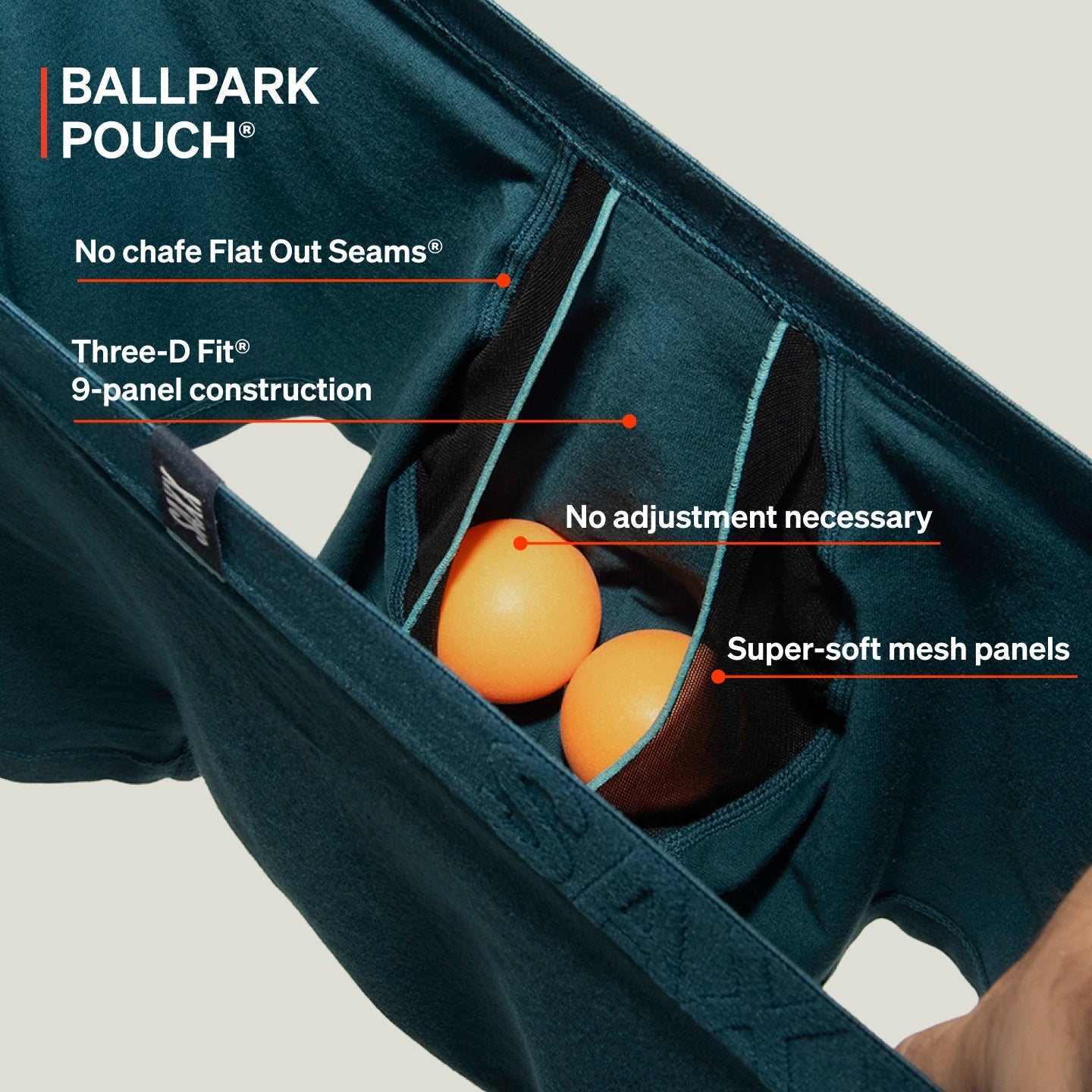
Seams are often placed where panels meet, not where the body tolerates contact best. Raised or inward-facing seams can create pressure points.
Even minor seam irritation can become significant over long wear periods, particularly during repetitive movement.

The cumulative effect over a day
Chafing rarely appears instantly. It develops gradually.
Many men experience:
-
Mild discomfort in the morning
-
Increased sensitivity by midday
-
Noticeable irritation by the end of the day
Because the progression is slow, chafing is often normalized rather than addressed.

The everyday consequences of chafing
Chafing affects more than physical comfort.
It often leads to:
-
Reduced focus and concentration
-
Altered walking or sitting posture
-
Frequent adjustment or avoidance behaviors
-
Increased sensitivity during activity or heat
Over time, these small disruptions add up to a persistent background discomfort.

Understanding the problem before solving it
Chafing and irritation are not caused by poor habits or unusual sensitivity. They are predictable results of design choices.
-
Friction comes from contact.
-
Irritation comes from repetition.
-
Heat and moisture amplify both.
As long as underwear relies on flat construction and compression-based support, chafing remains common.
Understanding these mechanisms makes it possible to distinguish temporary relief from structural improvement.
In collaboration with:


